
One Hundred Years of Solitude
by Gabriel García Márquez
Synopsis
Across seven generations, the Buendía family rises and falls in the fictional Colombian town of Macondo. Cycles of love, war, ambition, and forgetting repeat with eerie precision until time itself collapses in the novel's final pages.
Editorial review
García Márquez's masterpiece is the founding document of literary magical realism — but its strangeness is a delivery system for something realer than realism: the way memory loops, the way colonial history refuses to die, the way families repeat themselves. Read it slowly, and forgive yourself for confusing the names.
Key takeaways
- 1
Magic and history are not opposed — myth is how communities digest power.
- 2
Solitude can be inherited the way money is.
- 3
The Latin American 20th century cannot be told in a strictly realist mode.
- 4
Memory is selective and political.
The right reader
Readers ready for a non-linear, dreamlike epic. Especially valuable for those interested in postcolonial history, family sagas, or the limits of realism.
What it touches
How it reads
Lush, mythic, melancholic.
Reading difficulty: Challenging
Similar books in our library


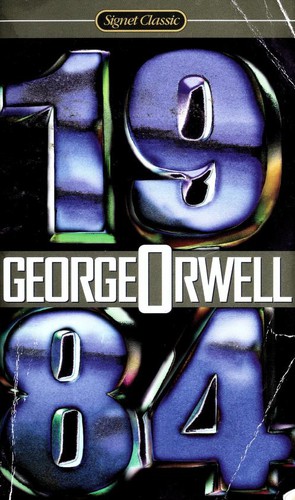
Readers also enjoyed
Picked from the same editorial neighborhood — high overlap in mood, craft, and the kind of questions the book leaves behind.
